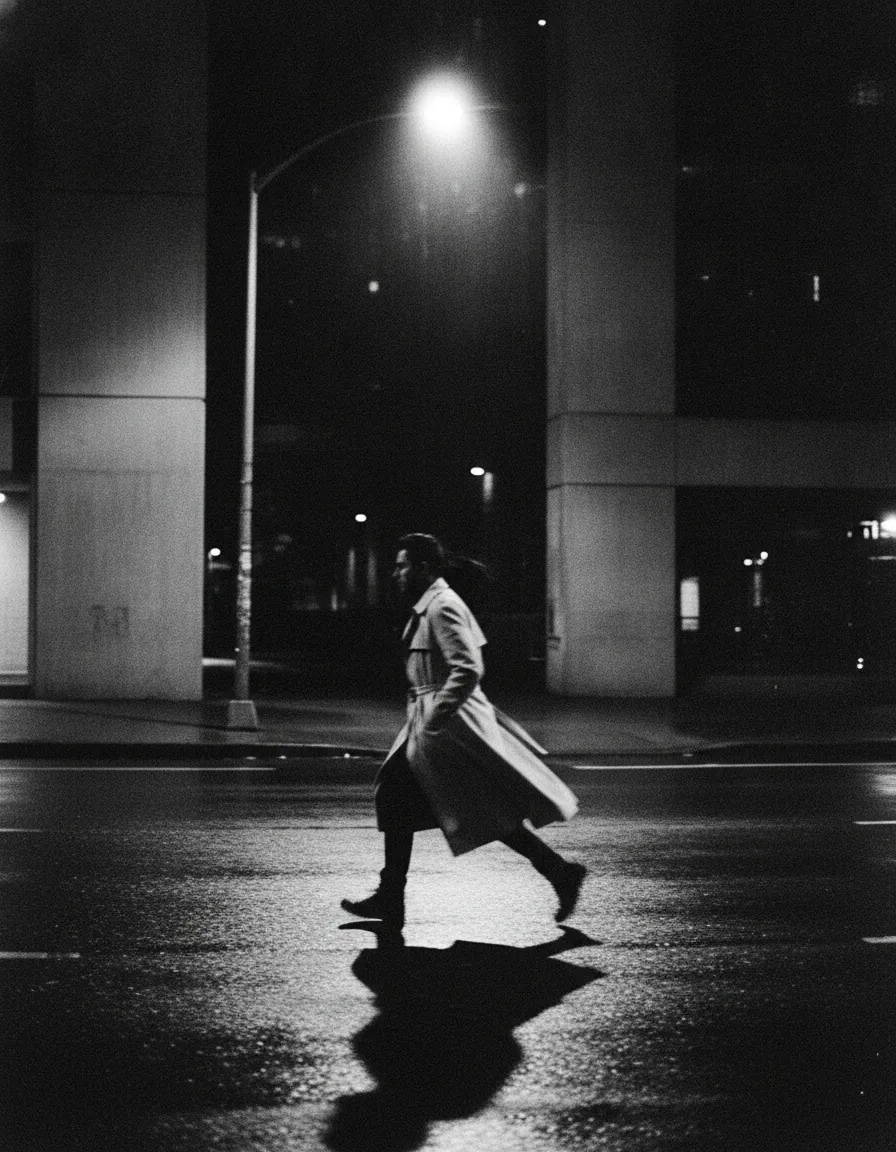
I TAKE THINGS APART TO FIND OUT WHERE THEY BEND
MARLOW REESE
VISUAL ARTIST / CREATOR
IDX/MR
2026
- VISUAL EXPERIMENTS
- FORM & FUNCTION
- SOUND & MOTION
- WRITTEN FRAGMENTS
- UNFILED
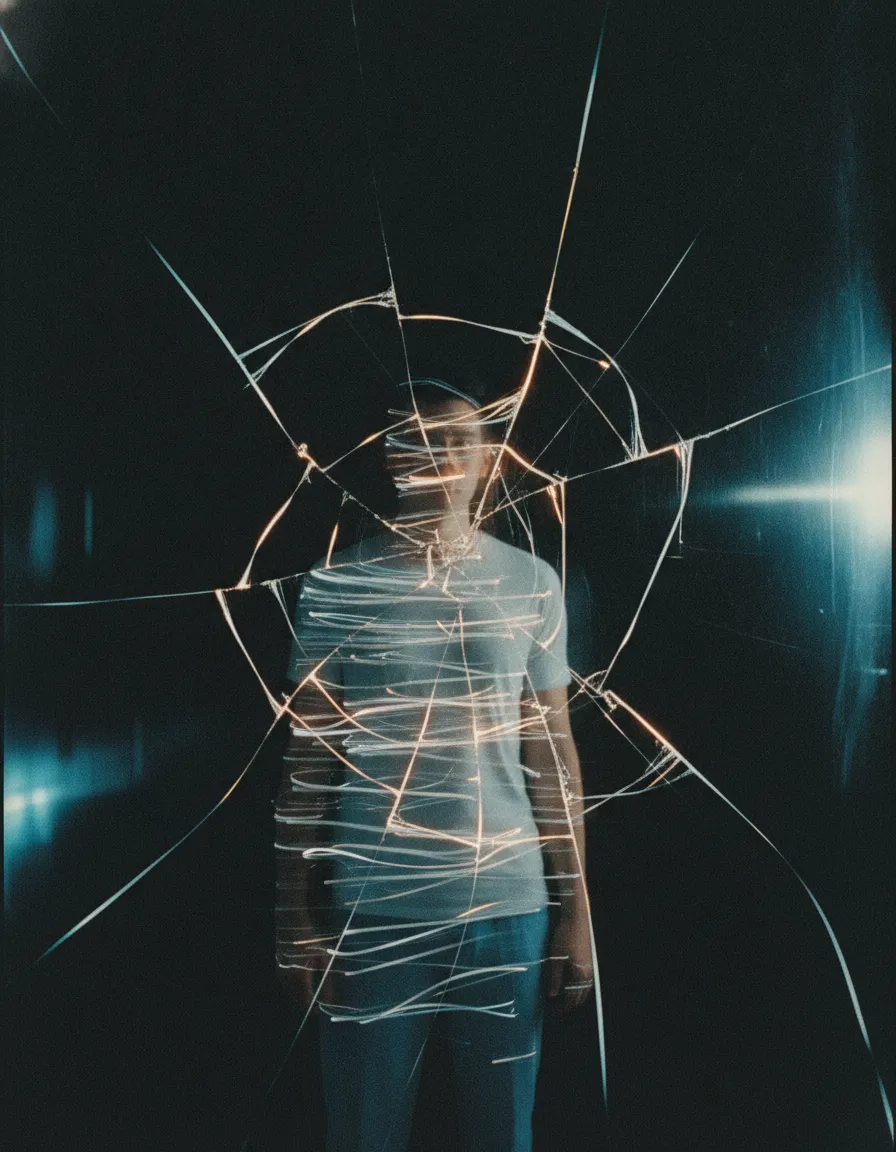
// STATEMENT
MAKING IS A KIND OF ARGUMENT — A WAY OF HOLDING A THING STILL LONG ENOUGH TO LOOK.
Photography, built objects, moving frames, text. Four tools, one question — how far can it go before it gives.
Nothing here is a highlight reel. It's a working log, kept in public, updated whenever a piece earns its place.
0PIECES ARCHIVED
0YEARS IN PRACTICE
0SHOWS / EXHIBITS
// SELECTED — 006 PIECES
FIELD RECORD
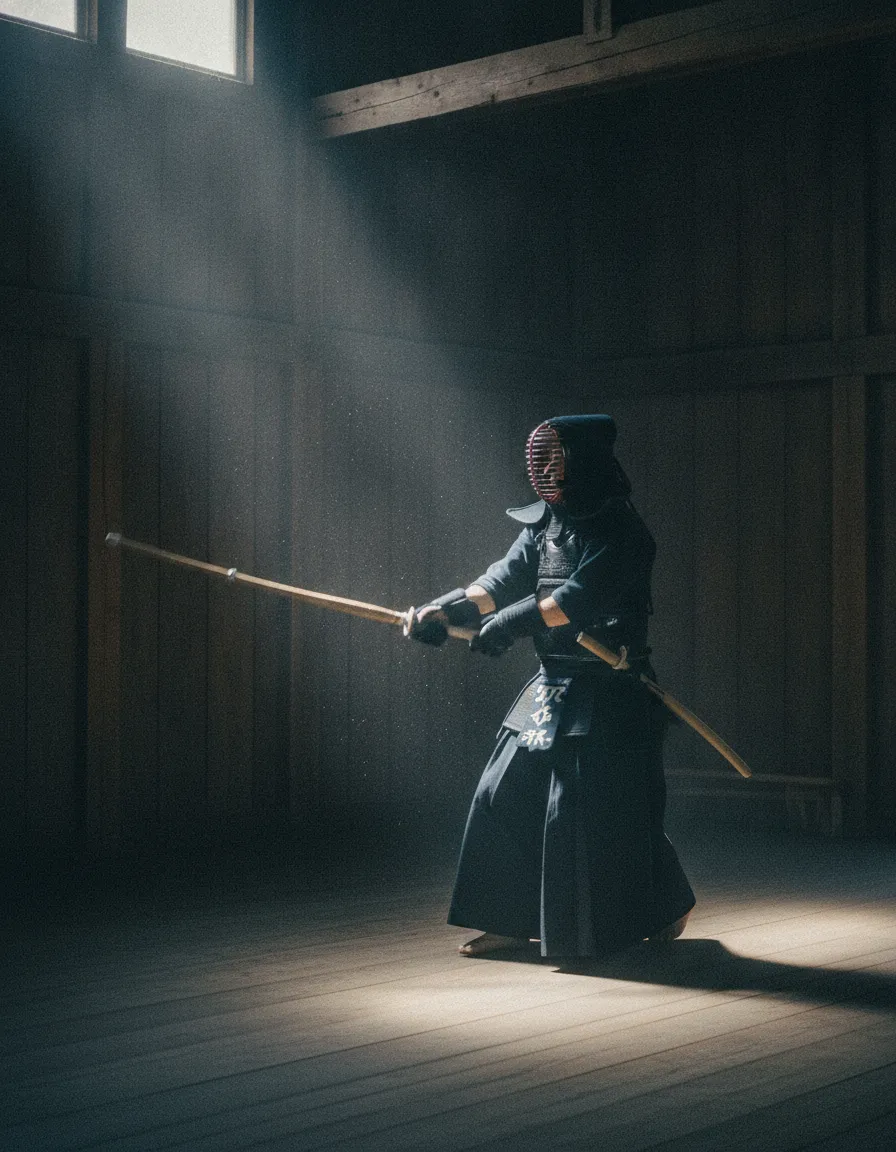
Six pieces pulled from eleven years of shooting. Ordered by nothing in particular.
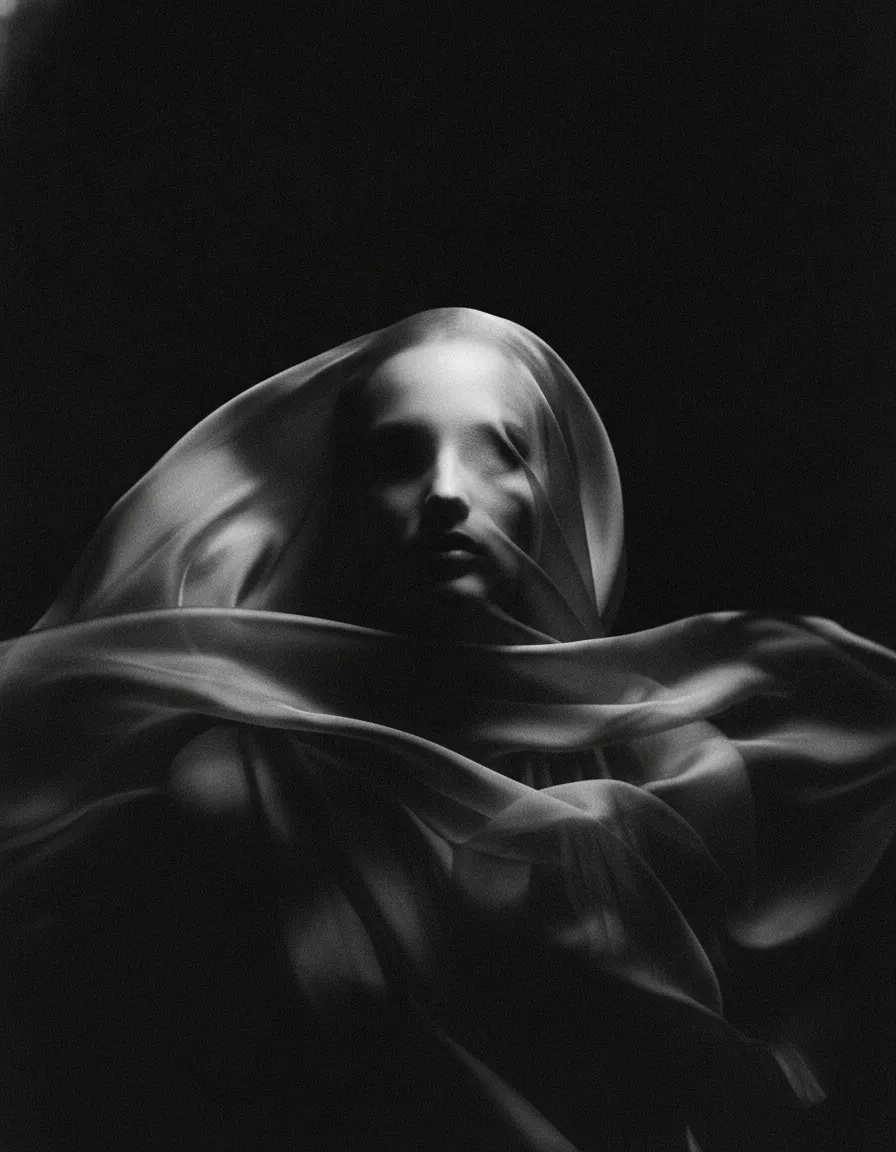
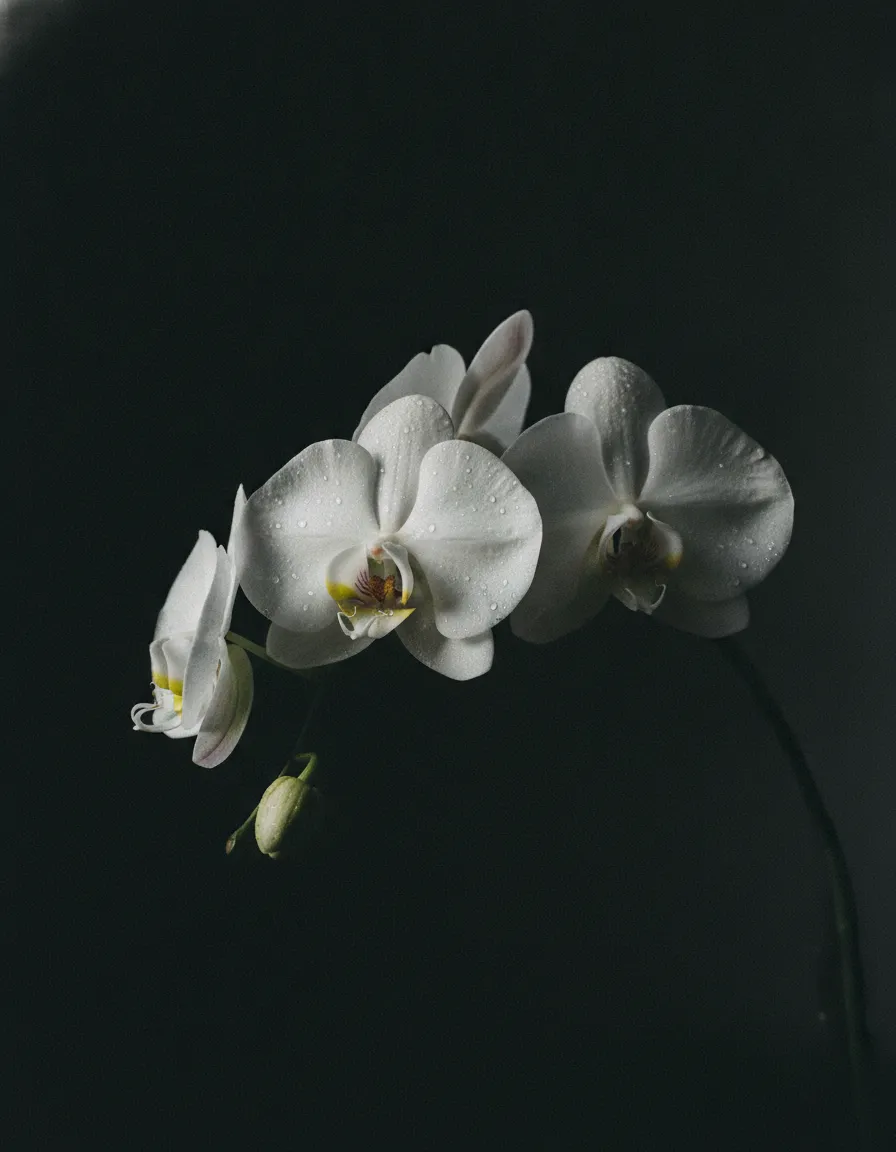
INDX // CONCEPTUAL
REVISION — NEUE 7.6
NOTHING LEAVESHERE UNMARKED
A page should be worth standing in. An issue should be worth keeping on a shelf for a decade.
CAT — 1.07
The method is simple enough: set a constraint, then push at it until something interesting fails. The failure is usually the piece.
CAT — 1.08
Meridian is where that happens in public — half-finished tests, sharpened ideas, and the things I couldn't talk myself out of.
EXPLORATION PHASE
SOURCE — FIELD NOTES
SOME WORK LANDS.SOME WANDERS OFF.
The ones that wander usually teach me more than the ones that land.
- MODULE — A.1
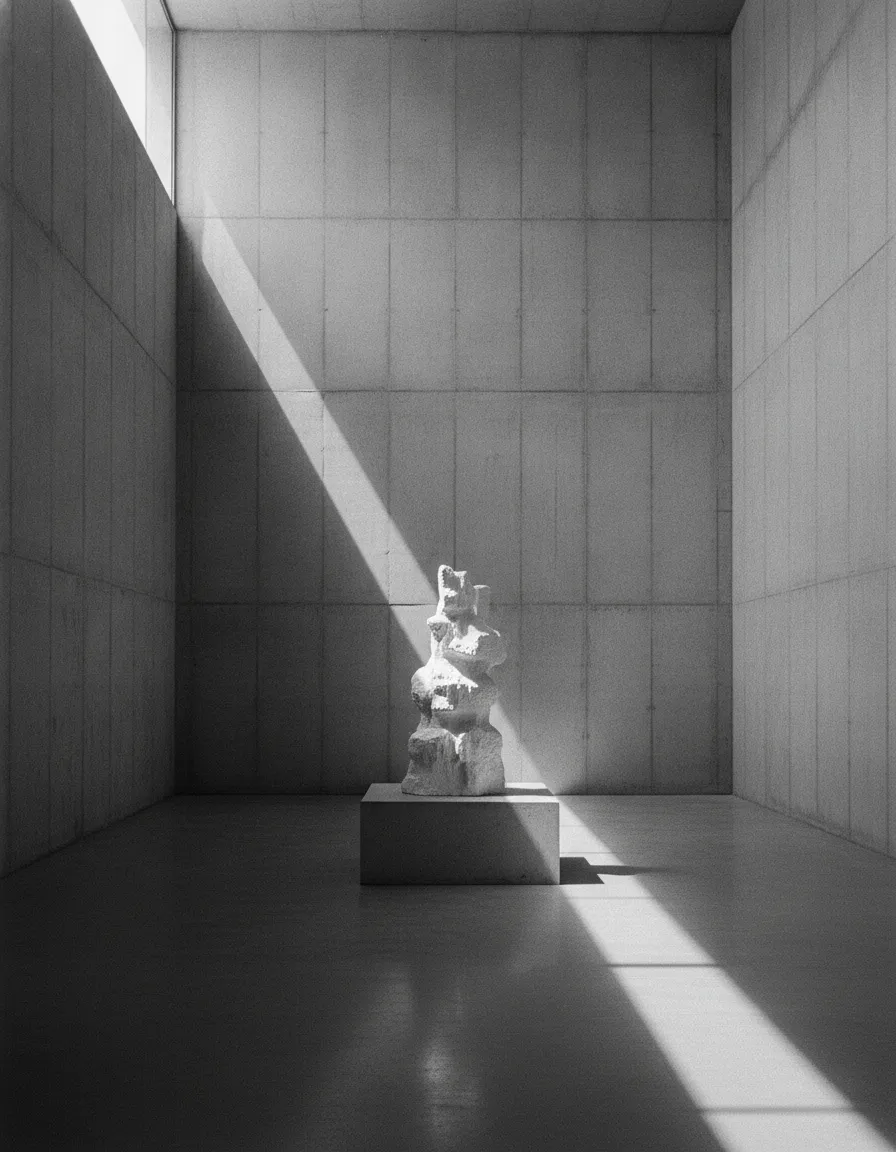
Structure tests. Surfaces put under load until they tell you what they were built to do.
- MODULE — A.2
Hands-on material work — paper, plaster, film — deliberately mishandled to see what the damage looks like.
- MODULE — A.3
One object, photographed two hundred times. Small shifts, compared side by side, until a pattern shows up.
- MODULE — A.4
Offcuts from everything above. Prototypes, dead ends, and a few things I haven't figured out yet.
MODERN RITUALS
STUDY — 04.13
EDGES BECOMELANGUAGE. SURFACEBECOMES ARGUMENT.
The grid sets the tempo. The margin decides how much air the reader gets. Everything else is negotiation.
MERIDIAN STORAGE — 2015–2026
ANALOG ARCHIVES
A CABINET FOR THINGS THAT WON'T SIT NEXT TO EACH OTHER
MOD — I/MR
VISUAL EXPERIMENTS
Camera tests, darkroom accidents, and scans of things that were never meant to be scanned.
001
MOD — II/MR
FORM & FUNCTION
Built objects and the systems behind them. Made properly, then loaded until something gives.
002
MOD — III/MR
SOUND & MOTION
Loops, field recordings, and short films cut to a beat rather than a script.
003
MOD — IV/MR
WRITTEN FRAGMENTS
Notebook pages. Captions that outgrew their photographs and had to be kept separately.
004
MOD — V/MR
UNFILED
Work that doesn't fit the four categories above and probably never will.
005
![]()
REPETITION TEACHES.
RESISTANCE EXPLAINS.
MARKS ACCUMULATE.
MEANING CATCHES UP.
WORKING WITHOUT A MAP
Most of what I start has no name for the first few months. That part is the job, not a problem with it.
 VIEW STUDY ↗
METHOD NOTE — 02
WHAT SURVIVESEDITING ISTHE REAL WORK.
Look first. Explain later, if at all.
I shoot far more than I keep. The edit is where the thinking actually happens — a sequence either holds together on the wall or it doesn't, and no amount of writing about it changes that.
STUDIO RITUALS
STUDY — 04.13
SELECTED WORK
"PRINT OR SCREEN, THE JOB IS THE SAME: BUILD SOMETHING THE VIEWER FORGETS TO NOTICE, SO THE SUBJECT ARRIVES FIRST."
NOTHING HERE IS DECORATION. EVERY RULE, EDGE AND INTERVAL IS DOING WORK — HOLDING THE EYE, SETTING THE PACE, DECIDING WHAT ARRIVES FIRST.
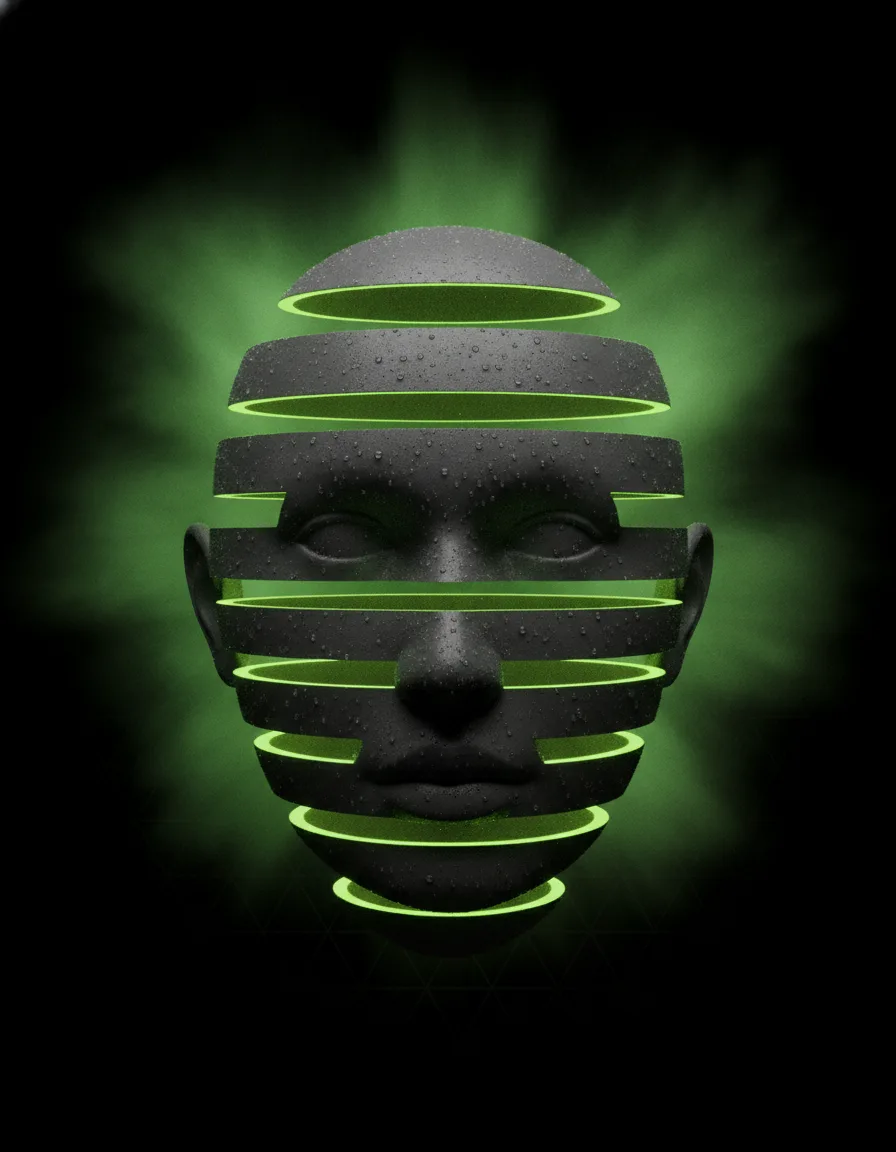
NDX — A7INDEPENDENT VISUAL ARTIST
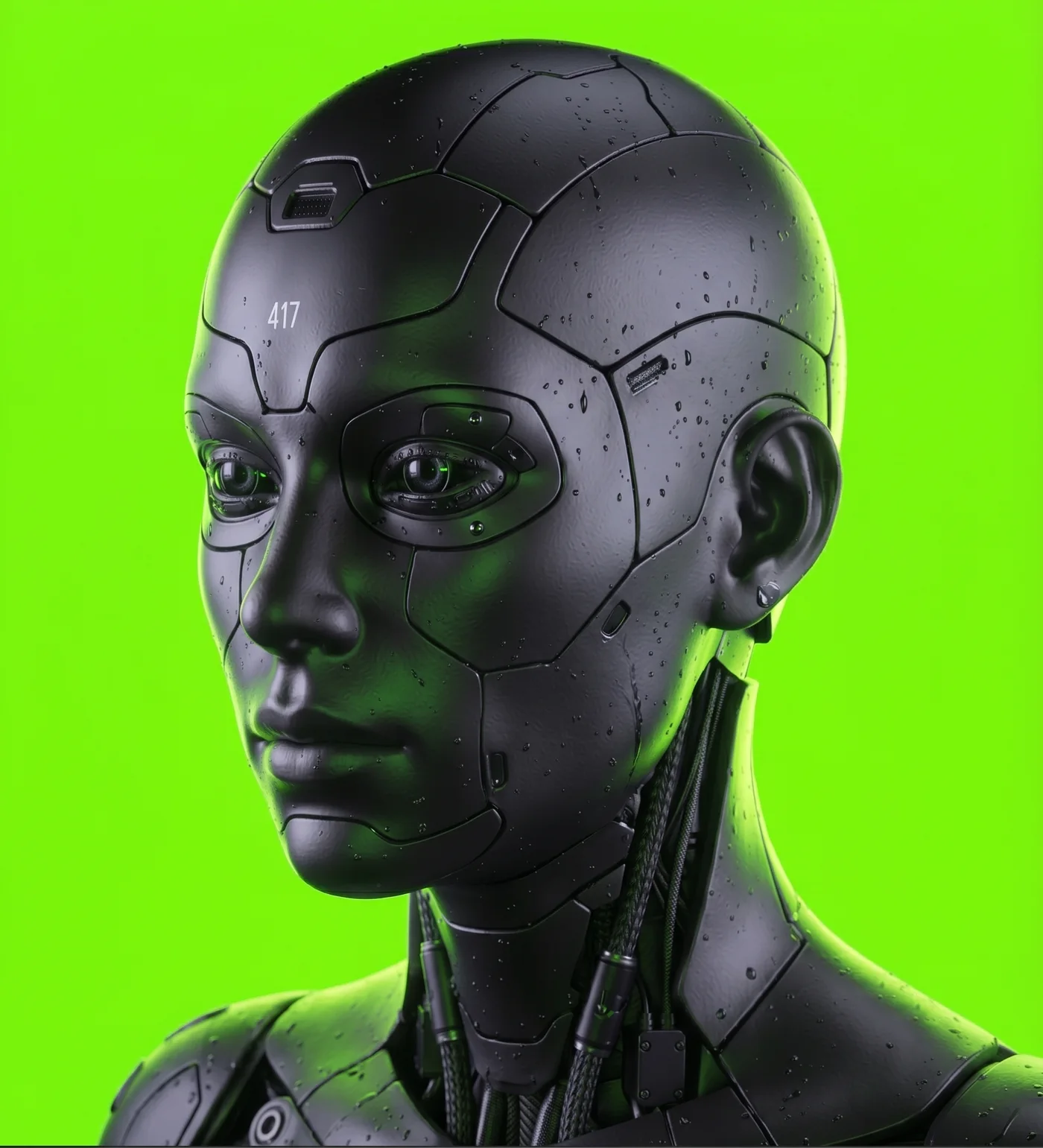
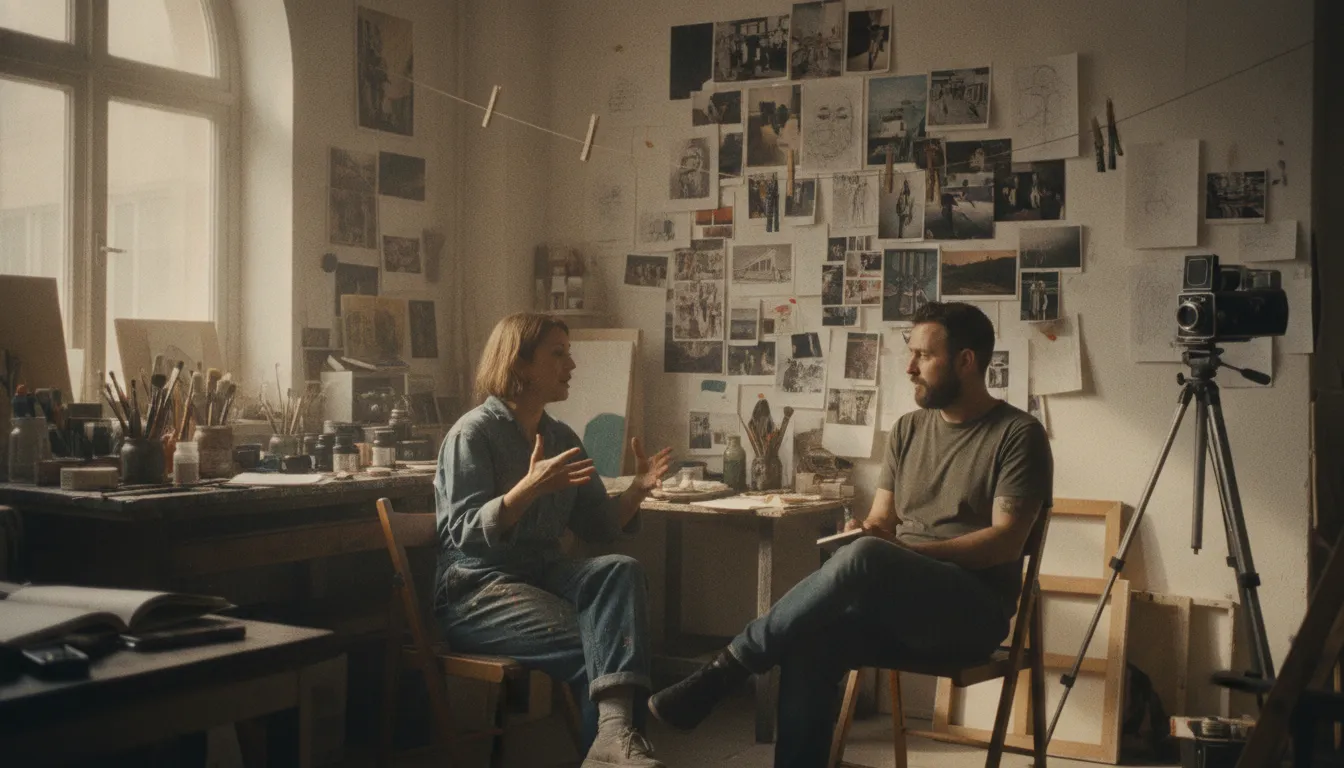
AUDIO — EPISODE 07
A LONG CONVERSATIONWITH JUNE HALLIWELL
Editing as thinking, why most of the archive stays unpublished, and the case for finishing things badly.
- RECORDED
- UNIT 14, LONDON — 24 NOV 2025
- RUNTIME
- 15 MINUTES, 13 SECONDS
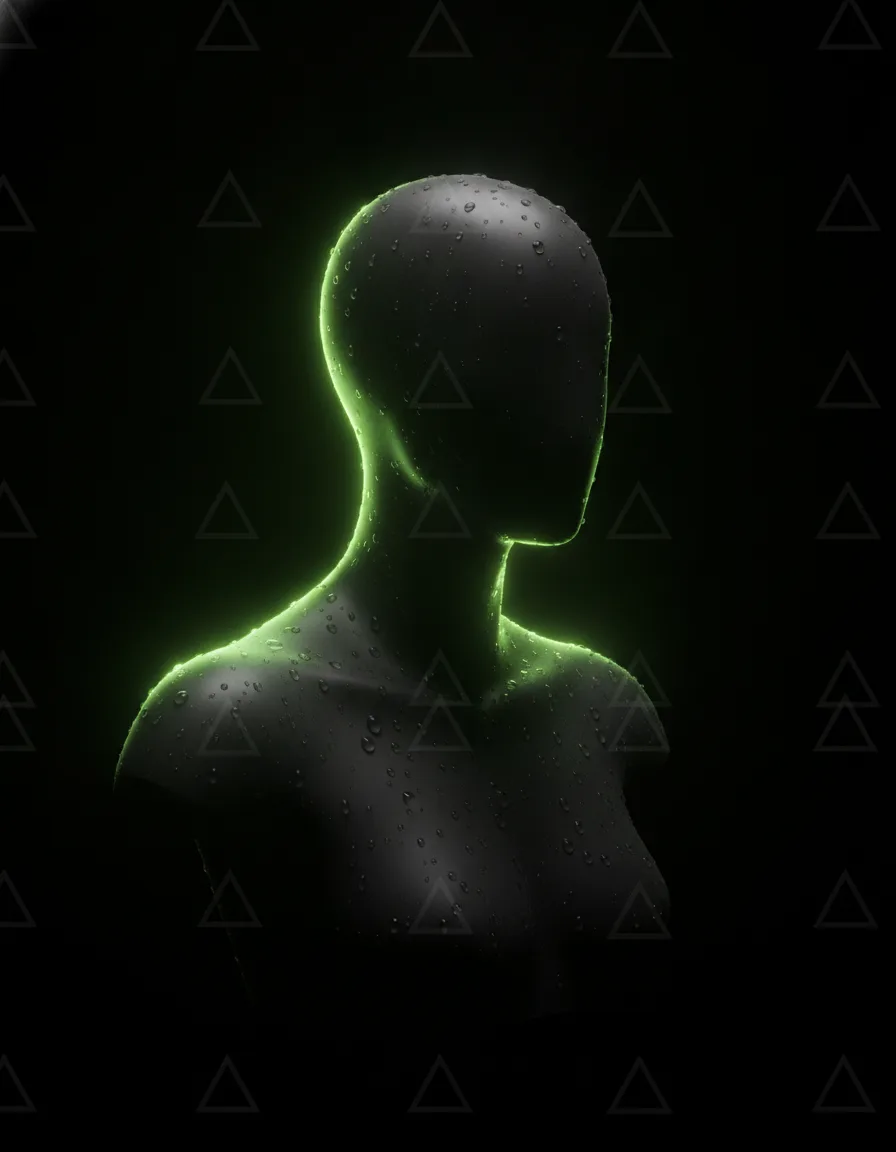
SOLO EXHIBITION
HOLDING PATTERN
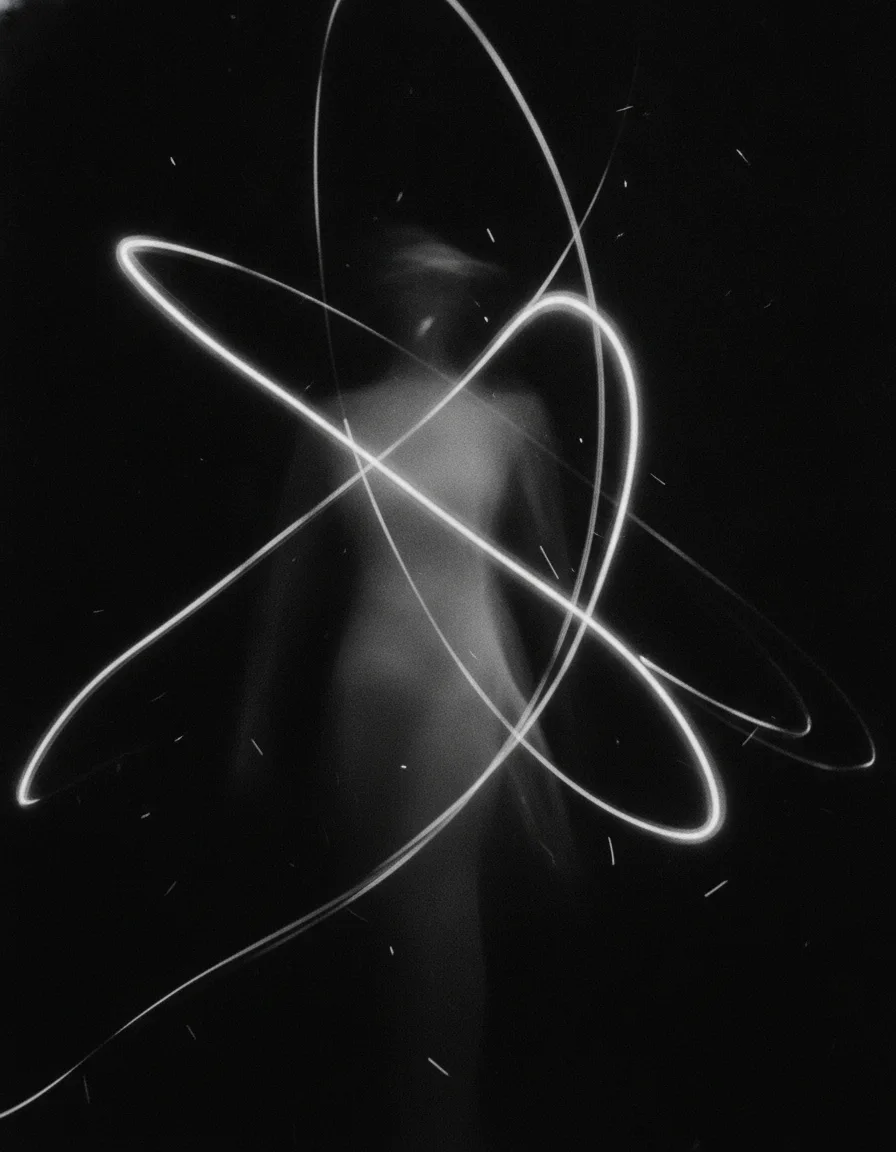
Fourteen long-exposure prints of two dancers, each shot at four seconds. Nobody in the room ever holds still, and that turns out to be the whole point.
CONCEPT / MOTION ART
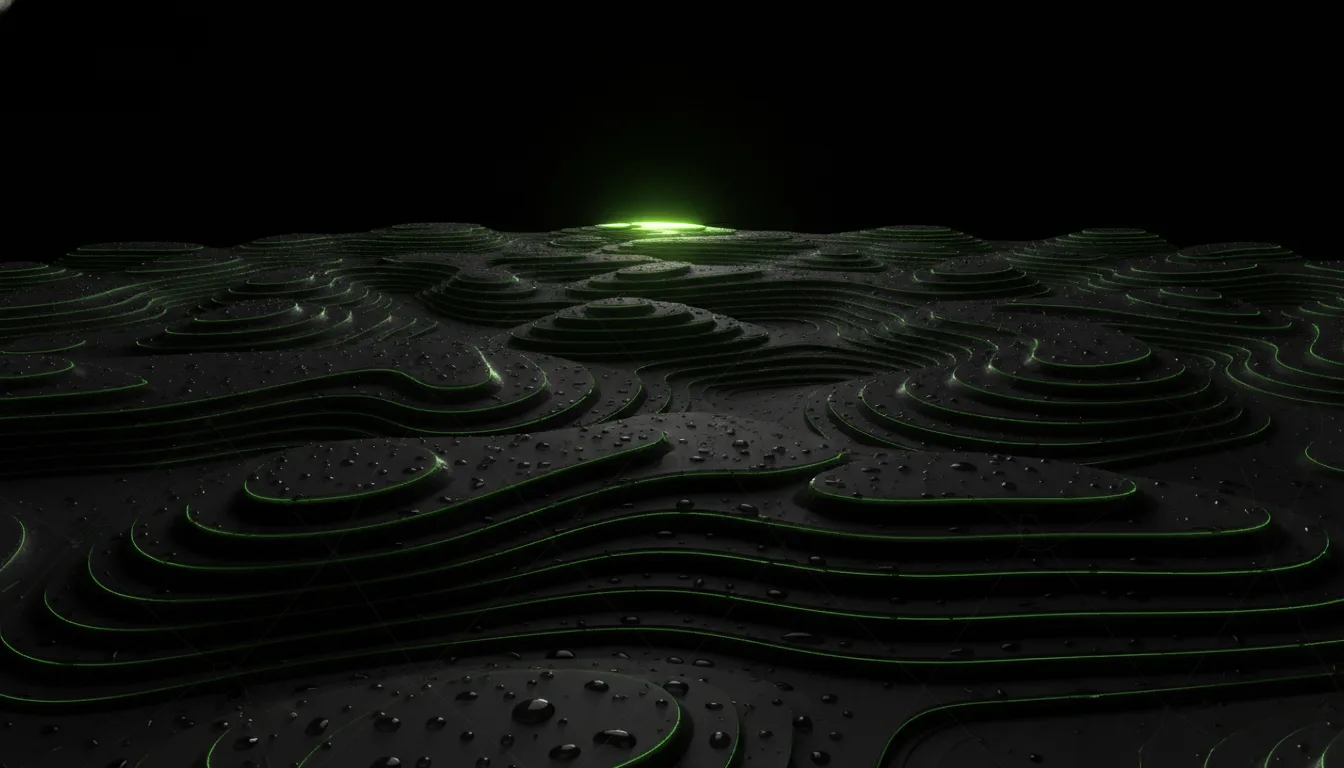
SLOW SIGNAL /A MOTION STUDY
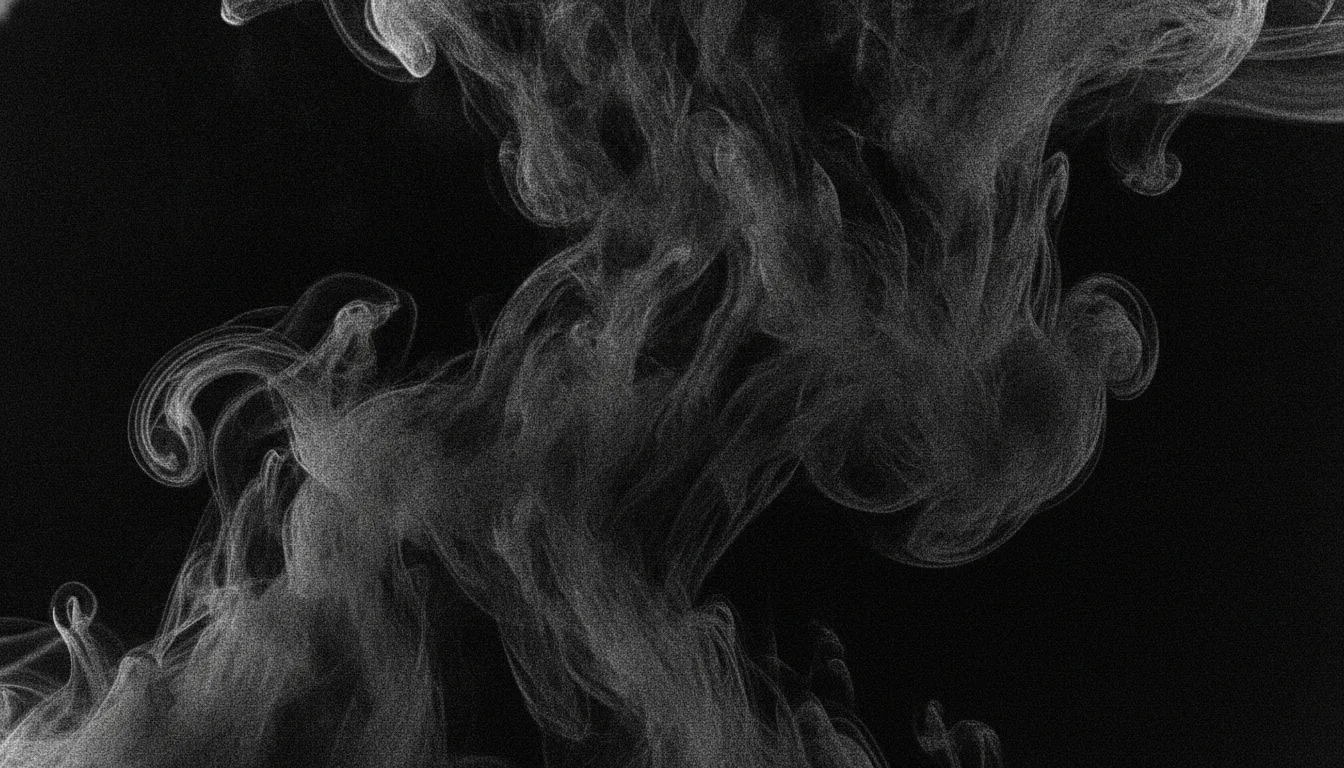
A membrane, a light, and a camera left running for six hours. Pressure from behind the surface does the rest. The footage sits between clean and unreadable, and the interesting frames are all on the border.
- YEAR
- 2024 — 2025
- REF
- NTRL 461.78.A.002
- TITLE
- SLOW SIGNAL / MR1.0
- SCOPE
- VISUAL IDENTITY · MOTION MAPPING · ART DIRECTION · CONCEPT
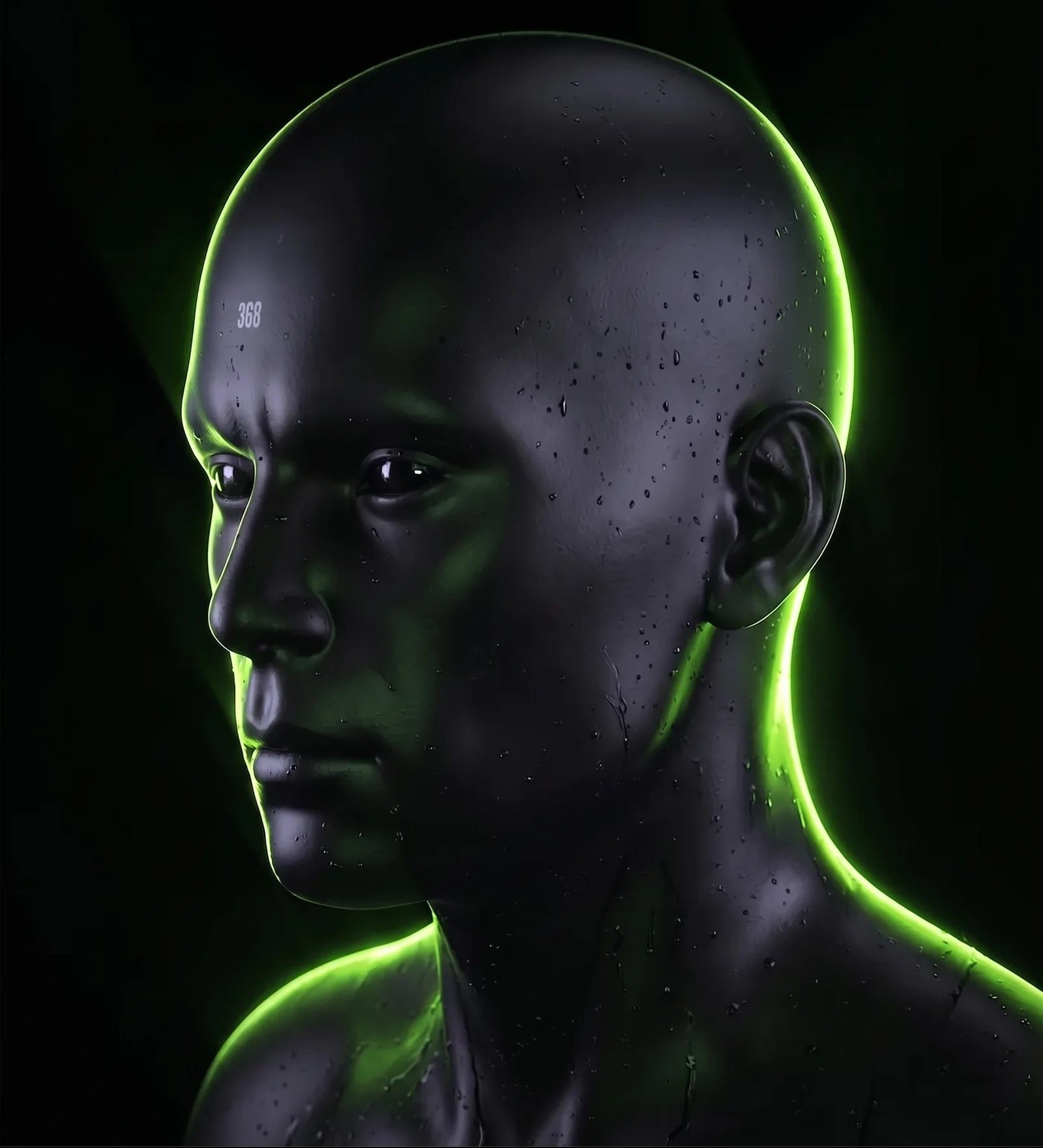 PORTRAIT — MARLOW REESE, 2025
SINCE 2015 — UK BASED
I WORK IN IMAGE,OBJECT, MOTIONAND TEXT.
Based in London, working since 2015. Most projects start with a rule I set and then break on purpose. Some resolve in a week, others have been open since the beginning. Commissions, exhibitions, and a fair amount of work that never leaves the studio.